7 Signs Something Is Wrong With Your Car’s Transmission
The transmission is one of the most important systems in any vehicle because it transfers power from the engine to the wheels. When it begins to fail, the entire driving experience can change quickly. Recognizing early warning signs allows drivers to address problems before they turn into costly auto repairs. Common symptoms include strange noises, slipping gears, rough shifting, fluid leaks, warning lights, and vibrations. Identifying these issues early improves safety, performance, and the overall lifespan of the vehicle.
1. Unusual Noises
Strange sounds are often the first indication that a transmission problem is developing. Grinding during gear changes typically points to worn synchronizers or damaged gears, while whining noises may indicate low or contaminated transmission fluid. Clunking sounds can come from worn driveline components or internal gear issues, especially when shifting from park to drive. Humming or buzzing noises are sometimes linked to failing bearings or planetary gear problems. When these sounds appear, addressing them quickly through professional auto repairs can prevent severe mechanical damage.
These noises are commonly caused by friction, misalignment, or inadequate lubrication inside the transmission. Over time, heat and wear degrade internal parts, making them more likely to generate unusual sounds. Regular fluid checks and inspections help keep components lubricated and aligned properly. Ignoring these early warning signs allows damage to spread and increases the chance of a full transmission failure.
2. Slipping Gears
Gear slipping happens when the transmission unexpectedly changes gears or fails to stay engaged. Drivers may notice the engine revving without an increase in speed, creating a feeling of lost power. This condition makes driving unpredictable and dangerous, especially during acceleration or when merging into traffic. Worn gears, low fluid levels, or a failing clutch are common causes of this problem.
Slipping gears place additional stress on other drivetrain components and can rapidly accelerate wear. For automatic transmissions, degraded fluid reduces hydraulic pressure needed to hold gears in place. In manual transmissions, worn clutch plates may be unable to maintain proper engagement. According to HouseGrail, approximately 13% of cars sold in the U.S. nowadays have manual transmission, making proper clutch and gear maintenance especially important for drivers who still rely on this type of system. Prompt diagnosis and timely auto repairs restore smooth gear transitions and protect the transmission from further damage.
3. Delayed or Rough Shifting
Delayed shifting occurs when the vehicle hesitates before changing gears, while rough shifting causes jerky or abrupt transitions. Both conditions indicate that the transmission is not responding properly to driver input. These problems often stem from dirty or low transmission fluid, faulty sensors, or worn mechanical components. When gear changes no longer feel smooth, it usually means internal parts are struggling to work together.
Left unresolved, delayed or rough shifting can lead to overheating, increased friction, and internal damage. Electronic control modules and valve bodies rely on clean fluid and accurate signals to operate correctly. Having these issues evaluated early reduces the likelihood of more expensive auto repairs later. Smooth shifting is a key sign that the transmission is functioning as it should.
4. Transmission Fluid Leaks
Transmission fluid leaks are easy to recognize by red or brown puddles beneath the vehicle or a burnt smell during operation. Fluid is essential for cooling, lubrication, and hydraulic pressure, so even small leaks can have serious consequences. Low fluid levels lead to overheating and increased wear, which can quickly damage internal components.
Leaks commonly originate from worn seals, damaged gaskets, or a cracked transmission pan. Regular inspections allow these issues to be caught before fluid loss becomes severe. Fixing leaks early through routine auto repairs keeps the transmission properly lubricated and prevents catastrophic failures that could require full replacement.
5. Dashboard Warning Lights
Modern vehicles use dashboard warning lights to alert drivers when transmission problems occur. These indicators may signal issues with fluid temperature, pressure, or electronic sensors. When a transmission light turns on, it should never be ignored, as it often appears before noticeable performance problems develop.
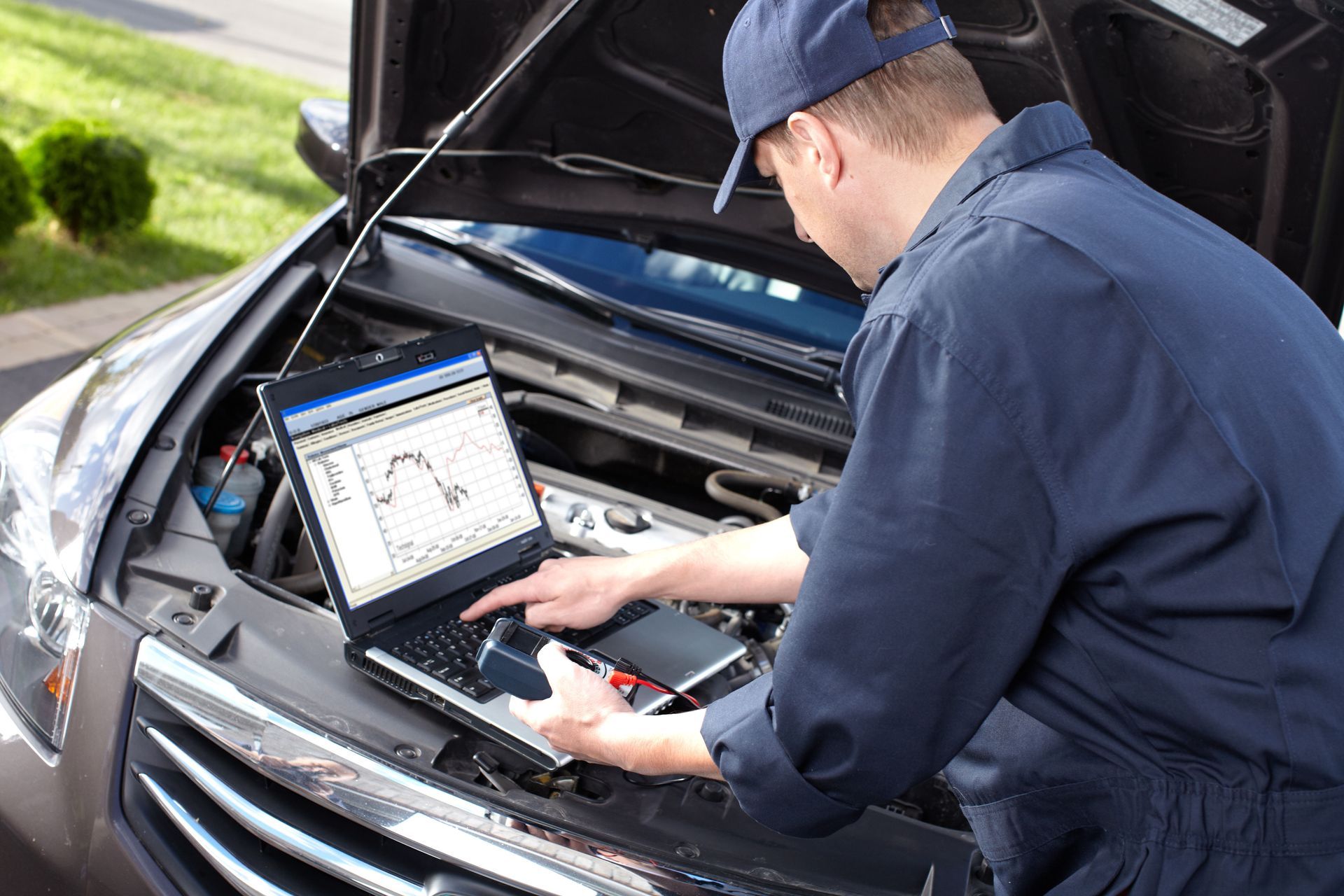
Professional diagnostic scans reveal stored error codes that point to specific faults. Whether the issue is a failing sensor, wiring problem, or fluid imbalance, quick attention limits the risk of internal damage. Acting promptly after a warning light appears reduces the chance of major auto repairs and helps keep the vehicle running safely.
6. Shaking or Vibrating
Transmission-related vibrations usually occur during gear changes or at certain speeds. These sensations may feel like shuddering, shaking, or uneven acceleration. Common causes include torque converter issues, worn internal components, or driveline imbalance. These vibrations are often more noticeable under load or during acceleration.
Identifying the source of vibration is important because similar symptoms can come from tires or suspension components. Transmission vibrations, however, tend to correspond directly with gear changes. Professional inspections help pinpoint the cause so proper auto repairs can be performed. Fixing vibration issues restores smooth operation and prevents excessive wear.
7. Preventive Maintenance And Long-Term Transmission Care
Preventive maintenance plays a critical role in keeping a transmission operating smoothly for years. One of the most effective steps is maintaining proper transmission fluid levels and replacing the fluid at manufacturer-recommended intervals. Over time, fluid breaks down from heat and friction, reducing its ability to lubricate and cool internal components. Fresh fluid helps maintain proper hydraulic pressure, allowing gears and clutches to engage and disengage correctly. Ignoring fluid service is one of the most common causes of premature transmission wear.
Driving habits also influence transmission longevity. Aggressive acceleration, hard braking, and towing loads beyond the vehicle’s rated capacity place extra strain on internal parts. Smooth, gradual acceleration and allowing the vehicle to come to a complete stop before shifting between drive and reverse reduce stress on the gear assemblies. In automatic vehicles, using the parking brake before shifting into park can prevent unnecessary pressure on the parking pawl inside the transmission.
Temperature control is another key factor. Excessive heat is one of the leading causes of transmission failure. Heat breaks down fluid, warps metal components, and weakens seals. Keeping the cooling system in good condition helps regulate transmission temperature since many vehicles use the radiator or a separate cooler to keep fluid within safe operating limits. If a vehicle is used for heavy hauling or frequent stop-and-go driving, an auxiliary transmission cooler can provide extra protection.
Regular inspections help catch developing problems before they escalate. During routine service visits, technicians can check for leaks, worn mounts, fluid discoloration, and electronic fault codes. Even subtle changes in shifting behavior can indicate internal wear or sensor malfunctions. Addressing these early avoids extensive downtime and helps maintain consistent performance.
Software updates and electronic recalibrations are also becoming more important in modern vehicles. Many newer transmissions rely on computerized control systems to determine shift timing and pressure. If software becomes outdated or corrupted, shifting quality may suffer even if mechanical components are still in good condition. Updating and recalibrating these systems helps restore optimal operation and improves overall driving comfort. Transmission problems rarely appear without warning. Strange noises, slipping gears, rough shifting, fluid leaks, dashboard lights, and vibrations all provide valuable clues that something is wrong. Paying attention to these symptoms allows drivers to act before minor issues become major failures. Contact our team at Keith's Service Center today and schedule an auto service.

Share On: