6 Facts Your Auto Mechanic Wants You to Know
Owning a vehicle involves more than simply driving from one place to another. Every trip places demands on numerous systems that work together to provide safety, comfort, efficiency, and performance. While modern vehicles are designed to be durable and reliable, they still require regular care and attention to operate at their best.
Automotive professionals spend their days diagnosing concerns, performing maintenance, and helping vehicle owners keep their cars in excellent condition. Through years of experience, they often notice recurring misconceptions that can affect how people care for their vehicles.
1. Understand That Preventive Maintenance Saves Time and Stress
One of the most important lessons an auto mechanic hopes drivers learn is the value of preventive maintenance. Many vehicle problems do not appear suddenly. Instead, they develop gradually as components experience normal wear and tear over time. Regular maintenance allows trained professionals to identify concerns before they become major issues.
Preventive maintenance includes a variety of services designed to keep vehicle systems functioning properly. During routine visits, technicians evaluate critical components, monitor overall performance, and look for signs of wear that could eventually affect reliability. These appointments provide an opportunity to address minor concerns before they lead to more complicated repairs.
Many drivers postpone maintenance because their vehicle appears to be operating normally. However, a vehicle can continue functioning while hidden issues develop beneath the surface. Waiting until noticeable symptoms appear often results in more inconvenience and greater disruption to daily routines.
Routine maintenance also helps support vehicle longevity. Components that receive regular attention are generally able to perform more effectively throughout their intended service life. When maintenance schedules are followed consistently, drivers often experience fewer unexpected breakdowns and greater confidence behind the wheel.
A trusted auto mechanic understands that preventing problems is usually easier than correcting them after significant damage has occurred. For this reason, staying proactive remains one of the smartest approaches to vehicle ownership.
2. Recognize That Small Warning Signs Matter
Vehicles often communicate potential problems through subtle warning signs. Unfortunately, many drivers dismiss these indicators because they seem minor or do not immediately interfere with daily driving.
An experienced auto mechanic knows that unusual sounds, vibrations, smells, or changes in performance frequently serve as early clues that something requires attention. While a vehicle may continue operating, these symptoms can signal developing concerns that deserve professional evaluation.
For example, a slight vibration during driving may indicate a problem with tires, suspension components, or other systems. Unusual noises could suggest that certain parts are beginning to wear beyond normal limits. Even a small change in how the vehicle handles or responds may provide valuable information about its overall condition.
Addressing these warning signs early often allows technicians to identify issues before they affect additional components. When concerns are ignored, wear may continue to spread throughout related systems, potentially creating more extensive repair needs.
Drivers benefit from paying close attention to how their vehicles feel, sound, and perform. If something seems unusual, scheduling an inspection can help determine whether professional service is necessary.
3. Appreciate How Modern Vehicles Depend on Technology
Today’s vehicles are far more sophisticated than those of previous generations. Advanced technology now plays a role in nearly every aspect of vehicle operation, from engine management and emissions control to safety systems and driver-assistance features.
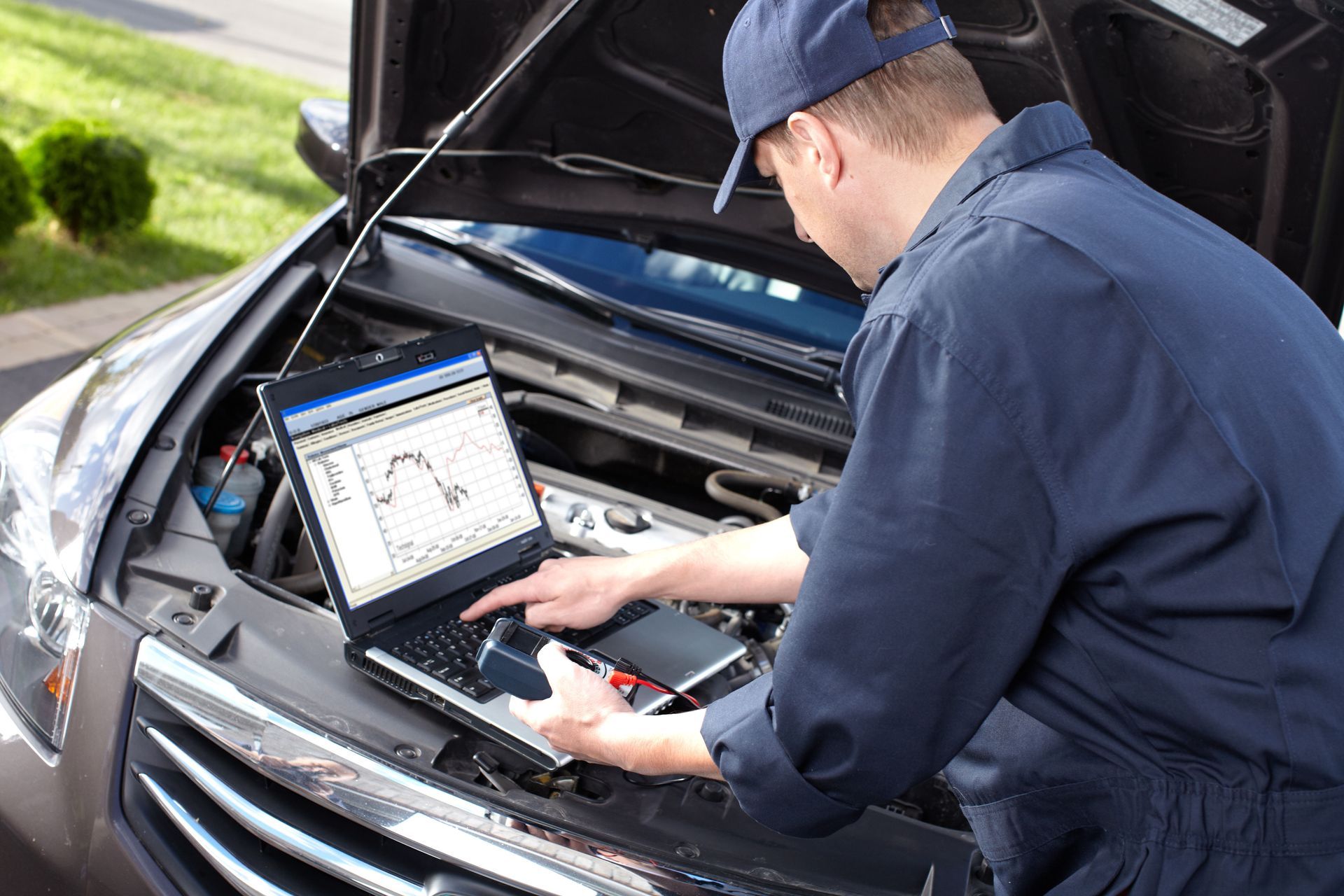
Because of this complexity, diagnosing automotive concerns often requires specialized equipment and technical expertise. A qualified auto mechanic uses advanced diagnostic tools to communicate with vehicle systems, gather information, and identify problems accurately.
Modern vehicles continuously monitor performance through sensors and computerized systems. When an issue arises, these systems often store valuable diagnostic information that helps technicians understand what is happening behind the scenes. Professional diagnostic equipment allows technicians to access this data and evaluate vehicle health more effectively.
Technology has also contributed to impressive performance improvements. According to Gitnux, the average midsize vehicle delivers approximately 220 hp, reflecting the impressive capabilities that modern automotive engineering can provide while maintaining practicality for everyday driving.
As vehicle technology continues to evolve, professional expertise becomes increasingly valuable. Proper diagnosis often involves understanding how multiple systems interact rather than focusing on a single component. Professional evaluation helps ensure that problems are identified accurately and resolved appropriately.
This growing complexity is one reason many vehicle owners rely on an experienced auto mechanic when concerns arise. Specialized knowledge and equipment play an important role in maintaining the reliability and performance of today’s vehicles.
4. Prioritize Brake And Tire Health
Brakes and tires are among the most important safety-related components on any vehicle. These systems work together to help drivers maintain control, respond to changing road conditions, and stop safely when necessary.
A professional auto mechanic frequently emphasizes the importance of routine brake and tire inspections because wear can occur gradually. Drivers may become accustomed to subtle changes in performance and fail to recognize that components require attention.
Tires experience constant contact with the road surface and are exposed to varying conditions throughout their service life. Regular inspections help identify uneven wear, damage, alignment concerns, and other conditions that may affect handling and stability.
Brake systems also require periodic evaluation to ensure dependable performance. Components naturally wear over time and should be monitored to maintain proper operation. Early identification of brake-related concerns helps support both safety and overall vehicle reliability.
Rather than waiting for obvious symptoms, drivers benefit from including brake and tire evaluations as part of their regular maintenance routine. Consistent monitoring helps ensure that critical safety systems continue operating effectively under a wide range of driving conditions.
5. Value Professional Inspections Even When Everything Seems Fine
Many vehicle owners assume that if their vehicle appears to be running normally, professional inspections are unnecessary. However, some automotive issues develop quietly and may not produce noticeable symptoms until significant wear has already occurred.
A knowledgeable auto mechanic can identify early warning signs that most drivers would not be able to detect during normal vehicle operation. Professional inspections provide a comprehensive assessment of various systems and components, helping technicians evaluate overall vehicle condition.
These evaluations allow professionals to identify developing concerns, monitor component wear, and recommend maintenance based on current needs. In many cases, inspections uncover opportunities to address minor issues before they affect vehicle performance or reliability.
Professional inspections also provide peace of mind. Drivers gain a better understanding of their vehicle’s condition and can make informed decisions regarding future maintenance and repairs. Knowing that key systems have been evaluated by trained professionals often contributes to greater confidence on the road.
Rather than viewing inspections solely as a response to problems, vehicle owners can benefit from considering them an important part of long-term vehicle care. Regular evaluations help support reliability and may reduce the likelihood of unexpected issues interrupting daily life.
6. Trust Expertise When Making Repair Decisions
Automotive repair decisions can sometimes feel complicated, particularly when multiple systems are involved. Understanding repair recommendations and determining the best course of action often requires professional guidance.
An experienced auto mechanic brings both technical knowledge and practical experience to the diagnostic process. This combination helps technicians identify root causes rather than simply addressing visible symptoms.
When a problem is accurately diagnosed, repair recommendations can be tailored to the vehicle’s specific needs. Professional guidance also helps drivers prioritize repairs appropriately, ensuring that important concerns receive attention when necessary.
Experienced technicians understand how various systems interact and how one issue may affect another. This broader perspective supports more effective decision-making and helps create repair strategies focused on long-term reliability.
Building a relationship with a trusted automotive professional creates an ongoing source of guidance throughout the life of a vehicle. Reliable advice, accurate diagnostics, and quality workmanship contribute to a more positive ownership experience and greater confidence in the condition of the vehicle.
By taking a proactive approach to vehicle care, drivers can better protect their investment while supporting safety and long-term dependability. Whether addressing routine maintenance needs or evaluating a specific concern, working with a qualified auto mechanic provides valuable insight and professional support throughout the ownership experience.
When your vehicle needs expert attention, contact Keith’s Service Center. Together, we can help keep your vehicle running smoothly, maintain its reliability, and support your confidence every time you get behind the wheel.

Share On: